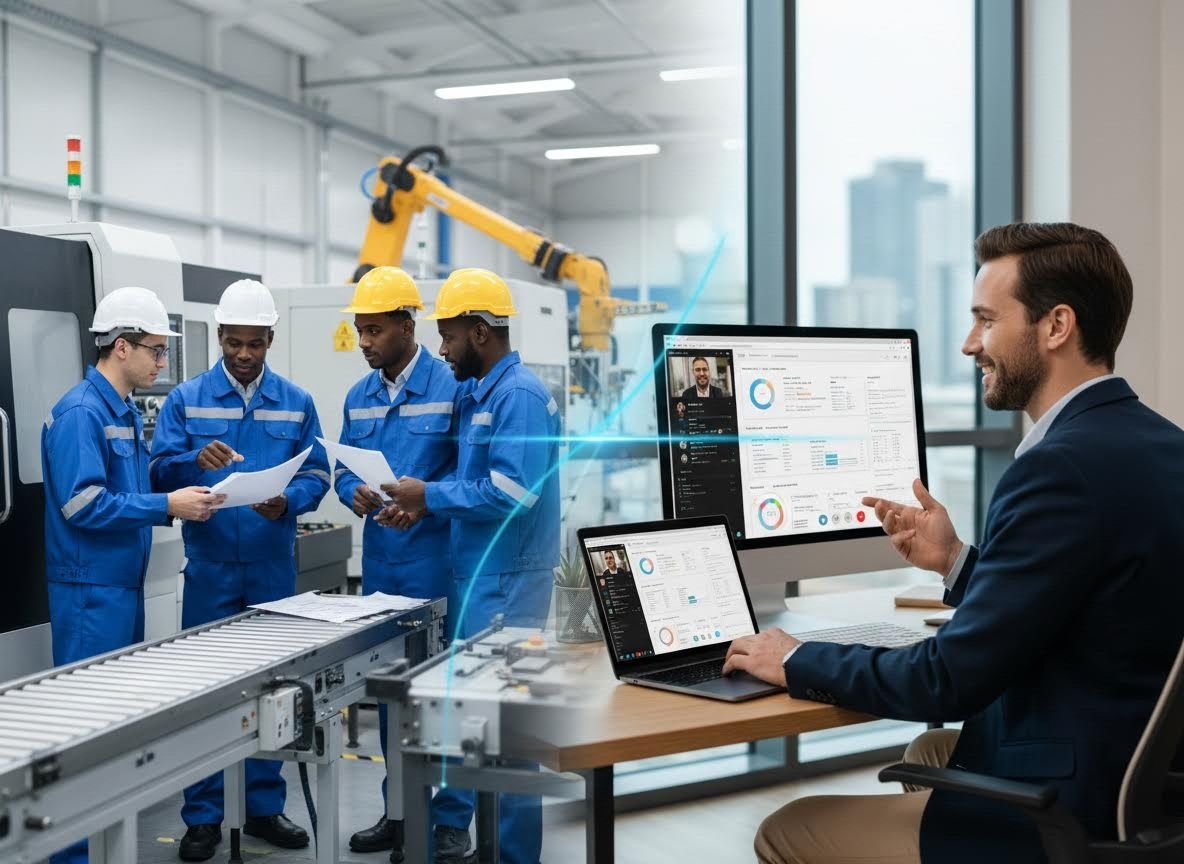
The manufacturing sector, traditionally rooted in on-site operations, is now navigating the evolving landscape of work flexibility, prompting discussions around concepts like "flex-time." This shift requires innovative thinking to integrate adaptable work models into environments often defined by physical presence. At KCM Tech, we understand the critical balance between operational demands and the growing need for employee work-life integration. Exploring flex-time in manufacturing isn't just about employee satisfaction; it's about strategic talent acquisition and retention in a competitive market.
Defining Flex-Time in Manufacturing Contexts
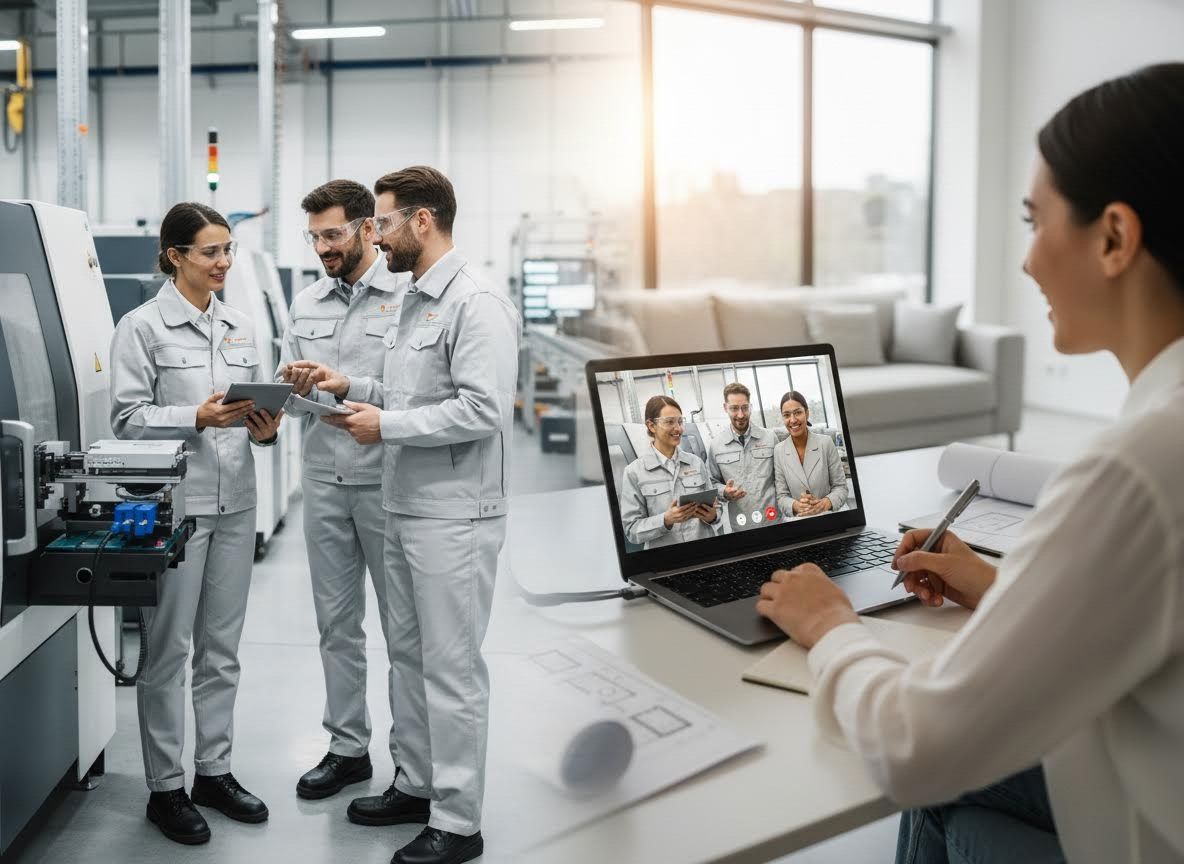
While the image of a factory floor naturally implies on-site presence, "flex-time" in manufacturing extends beyond simply working from home. It can encompass a range of arrangements such as compressed workweeks (e.g., four 10-hour days), staggered shifts to optimize production flow while offering employees varied schedules, or even hybrid models for administrative, R&D, supply chain management, or design roles that support production. The key is identifying roles or parts of roles where physical proximity to the production line isn't constant, or where output can be measured effectively regardless of immediate supervision. This approach allows manufacturers to attract a broader, more diverse talent pool and retain experienced employees who value work-life balance.
Negotiating Flex-Time: A Candidate's Approach
For individuals embarking on a job search, especially in manufacturing, proposing flex-time requires a strategic and well-researched approach. It's crucial to understand the specific needs of the role and the company culture before making a request. Prepare a clear proposal outlining how your work could be structured flexibly without compromising productivity or team collaboration. Focus on the benefits to the employer, such as enhanced focus during off-peak hours, reduced overheads, or improved retention of specialized skills. Demonstrating a proactive understanding of potential challenges and offering solutions will strengthen your position during the job hunting process. Highlighting past successes where you managed your work autonomously can further build confidence in your ability to thrive in a flexible arrangement.
Implementing Flex-Time: An Employer's Blueprint
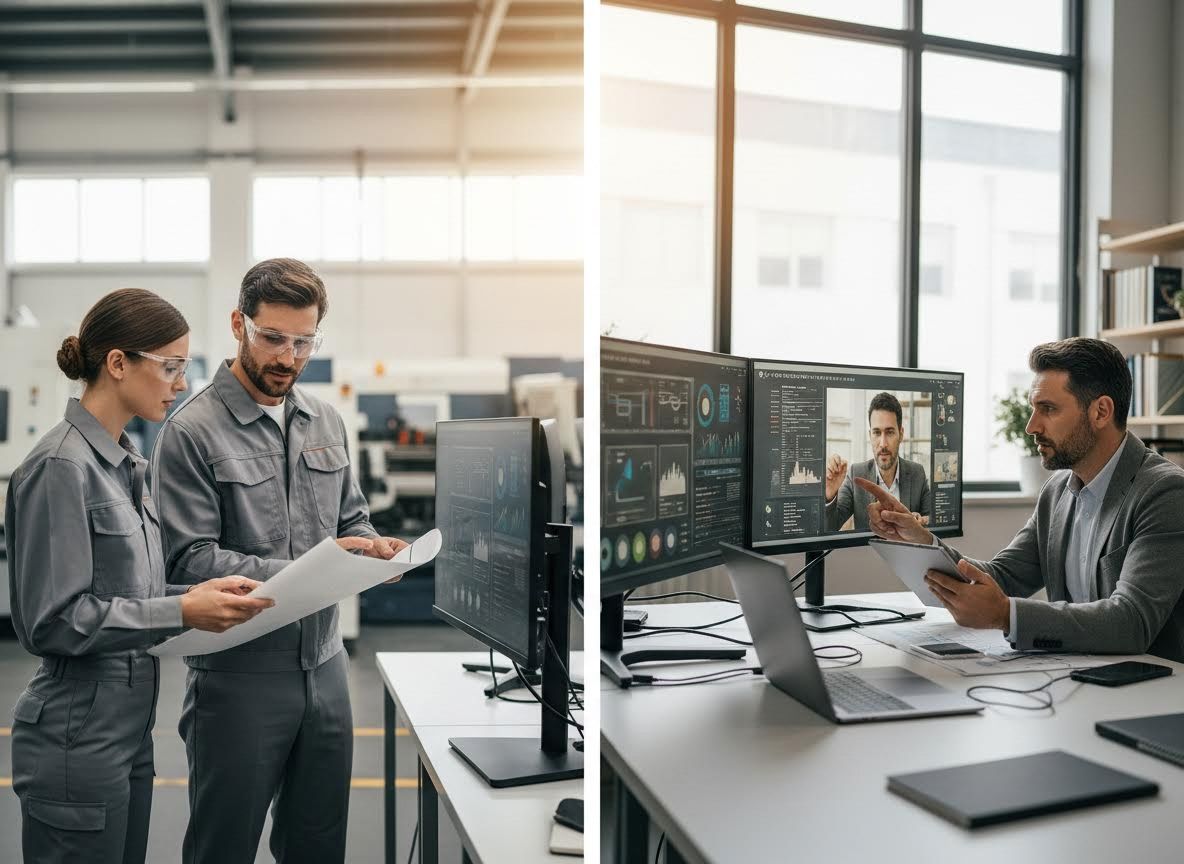
For manufacturing employers, integrating flex-time requires thoughtful planning and clear communication. Begin by conducting a thorough analysis of roles to identify which functions can genuinely support flexible arrangements without disrupting core operations. Establish clear policies, performance metrics, and communication protocols to ensure alignment across the team. Investing in collaborative technologies can bridge geographical gaps and facilitate seamless teamwork. Embracing flexibility demonstrates a commitment to employee well-being and a forward-thinking approach to talent management, which can significantly enhance your employer brand. Partnering with a specialized staffing agency can also provide insights into best practices and help identify candidates who are not only skilled but also a cultural fit for flexible models.
Overcoming Challenges and Ensuring Success
Implementing flex-time in a manufacturing environment is not without its challenges. Maintaining effective communication, fostering team cohesion, and ensuring equitable treatment among all employees are critical. Regular check-ins, dedicated virtual meeting spaces, and clearly defined project management tools can mitigate communication gaps. Leadership must actively promote a culture of trust and accountability, focusing on outcomes rather than just hours spent. It’s an iterative process that benefits from feedback loops, allowing organizations to refine their flex-time policies based on real-world experience. Successfully navigating these challenges allows manufacturers to harness the benefits of flexibility, fostering a more engaged, productive, and resilient workforce.
The discussion around "flex-time" in manufacturing roles underscores a broader shift towards more adaptive and human-centric work models, even in traditional industries. Embracing these innovations is not just a trend but a strategic imperative for attracting and retaining top talent. KCM Tech specializes in guiding businesses through these complex transformations, helping them build dynamic and effective workforces. To learn more about modern workforce strategies and how they can benefit your organization, explore the resources available on our insights page.