
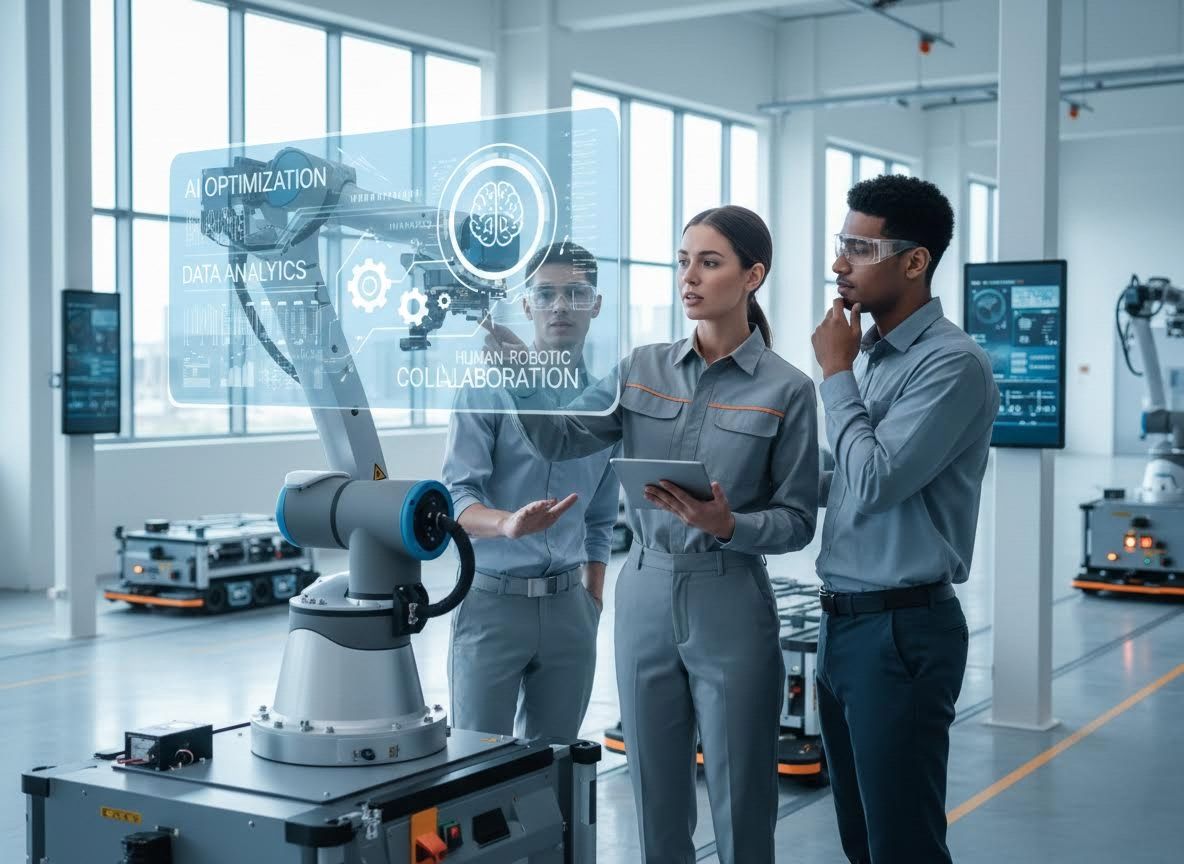
AI in the Factory: How Automation is Changing the Job Descriptions of 2026
The manufacturing landscape is undergoing a profound transformation, driven by the rapid integration of artificial intelligence and advanced automation. This shift is not merely about replacing human labor but redefining it, creating a new paradigm for how work is done on the factory floor. By 2026, job descriptions will reflect a deeper synergy between human ingenuity and machine efficiency, demanding a fresh set of skills and perspectives. At KCM Tech, we recognize that understanding these evolving dynamics is crucial for both businesses seeking talent and individuals navigating their career paths.
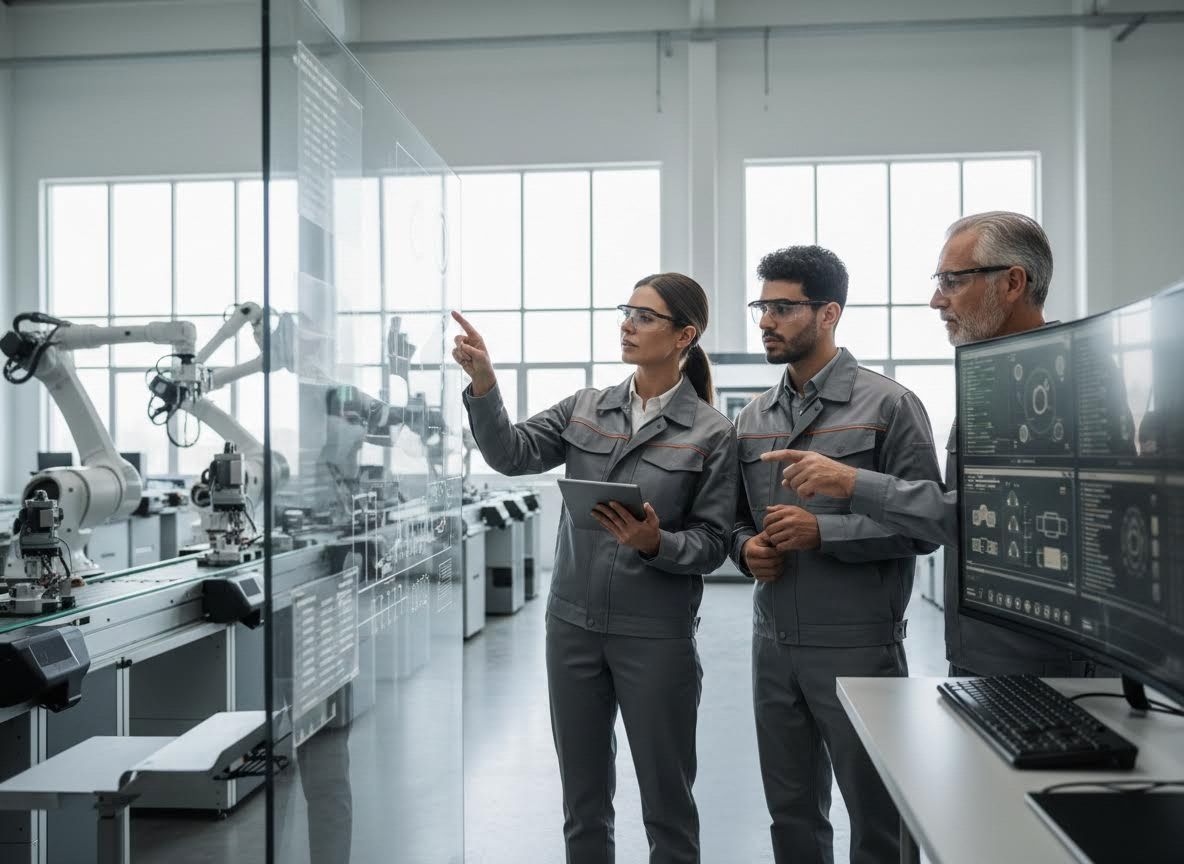
The Paradigm Shift in Factory Operations
Historically, factory jobs often involved repetitive manual tasks or direct machine operation. With AI and automation, these roles are evolving into supervisory, analytical, and collaborative functions. The focus is moving from performing physical tasks to monitoring automated systems, interpreting data, and ensuring seamless operation. This means individuals will work alongside intelligent machines, rather than in isolation, necessitating an understanding of how these systems function and how to optimize their performance. The factory of the future will be a hub of advanced technology, requiring workers who can adapt to continuous innovation.
Essential Skill Sets for the Automated Workforce
The job descriptions of 2026 will prominently feature demands for digital literacy, critical thinking, and problem-solving abilities. Workers will need to understand data analytics to interpret outputs from AI systems, troubleshoot technical issues, and contribute to system improvements. Beyond technical competencies, soft skills like adaptability, communication, and interdisciplinary collaboration will be paramount, as teams will consist of individuals with diverse backgrounds and machine counterparts. Continuous learning will no longer be an option but a necessity for thriving in this fast-paced environment, making upskilling and reskilling initiatives vital for both employers and employees.
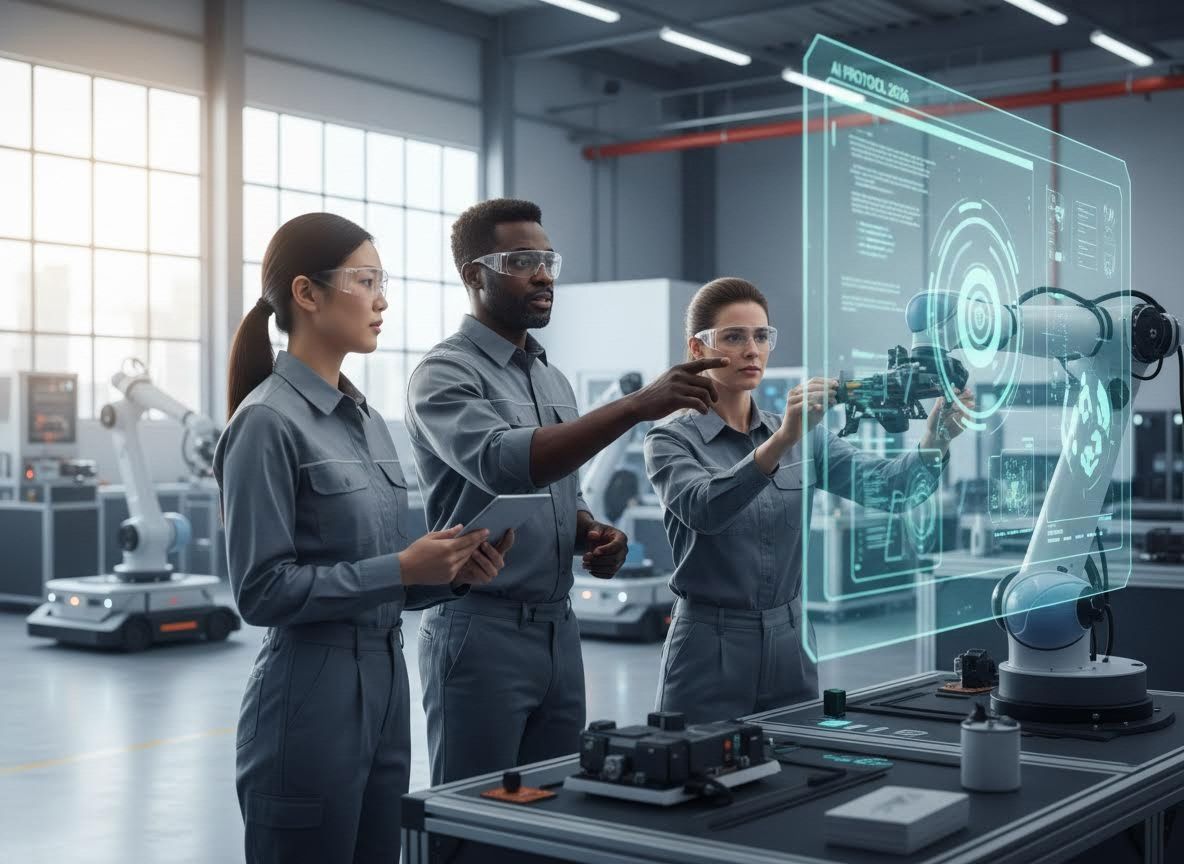
Redefining Talent Acquisition and Career Paths
The fundamental changes in factory roles mean that traditional approaches to talent acquisition and job hunting are being reshaped. Companies will seek candidates not just for their current abilities but for their potential to learn and grow with new technologies. For individuals, a successful job search will involve highlighting transferable skills and demonstrating a proactive approach to professional development. The role of a staffing agency becomes increasingly critical in bridging this evolving gap, helping businesses identify candidates with the right blend of technical acumen and adaptive mindsets, and guiding individuals through their career transitions in this dynamic sector. This transformation also presents opportunities to foster a more diverse workforce, as roles become less physically demanding and more intellectually stimulating.
Navigating the Future of Work
The integration of AI in factories is reshaping job descriptions, demanding new skills, and creating innovative opportunities for growth. Both businesses and individuals must proactively embrace this evolution to remain competitive and relevant. A strategic approach to workforce development and career planning is essential to harness the full potential of these technological advancements.
Understanding the shifts in skills and roles is paramount for successful talent strategies and career development. To delve deeper into how these changes might impact your team or your career trajectory, we invite you to explore our insights on emerging industry trends.